


















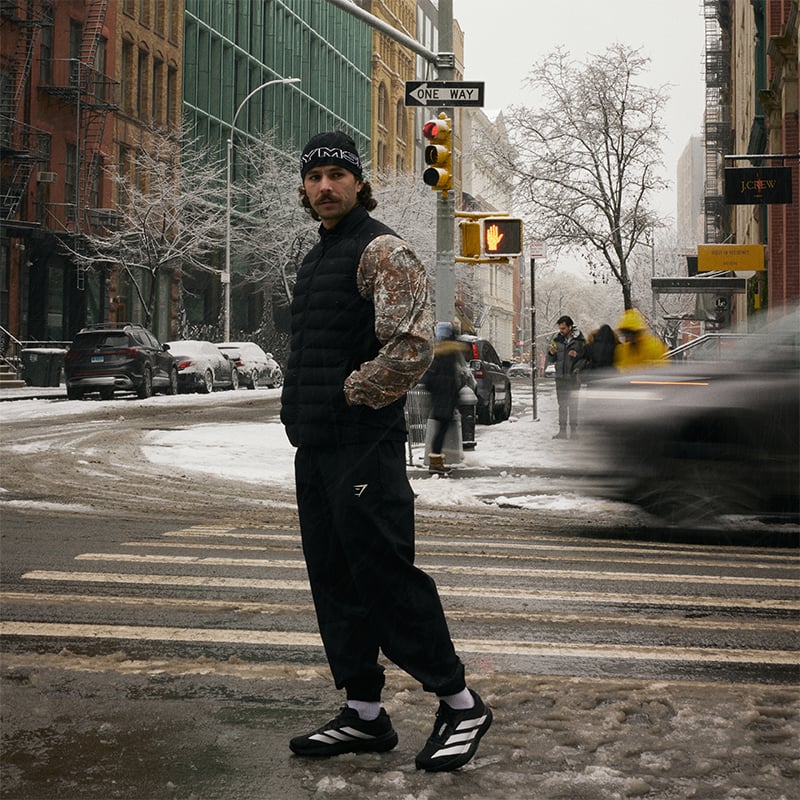
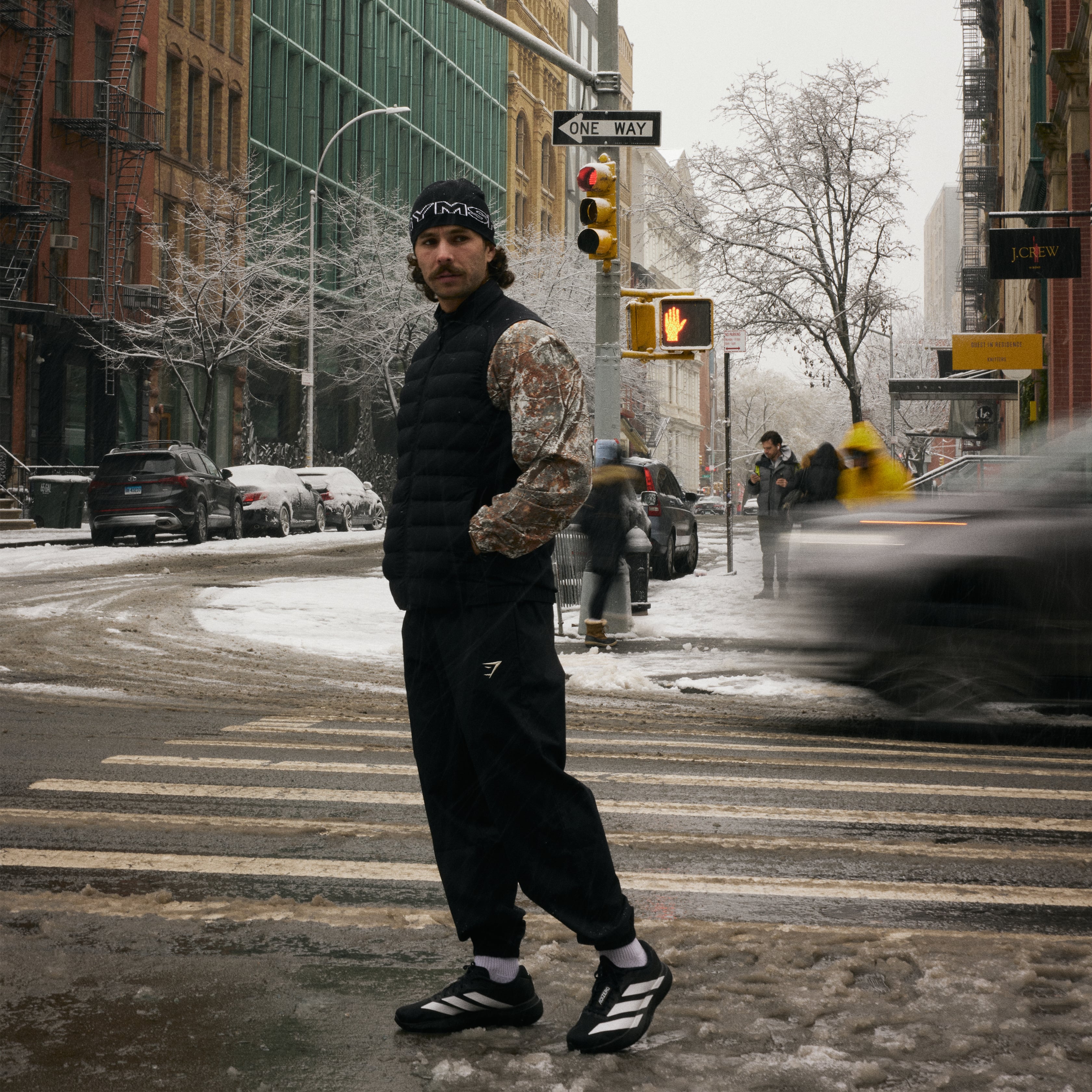
Cold-weather runs often start the same way. You step outside and instantly start questioning your life choices. The temperature’s at freezing - am I really going for a run right now?
That initial doubt subsides as you set off, but you can all too quickly realise if you’re not wearing enough layers, or if you’re actually (surprisingly) too warm.
That’s the thing about winter running, even though it’s cold, the body warms up very quickly with exercise. It’s not just about dressing for how you feel on your doorstep; it’s about dressing for mile three.
And since temperature management isn’t something that most of us were taught, we’re going to talk you through it in this guide: what to wear at different temperatures, how to layer correctly, and the small details that can make a huge difference.
First: Expect To Feel Slightly Cold
If you feel perfectly warm before you start running, you’re probably overdressed.
When you run, your muscles generate heat quickly, blood flow increases, and sweat production ramps up, even in winter. Heat builds fast, so if you start warm, you’ll likely overheat and sweat heavily within 10-15 minutes. Then, when the pace drops or the wind hits, that moisture cools, and you’ll end up feeling damp and colder than when you began.
A good rule of thumb:
Dress for 10°C warmer than it actually is
Prioritise breathability over bulk
Think adjustable layers, not heavy insulation
Cold-weather running isn’t about piling on clothes; it’s about controlling your temperature from start to finish.
How to Layer for Cold-Weather Runs
Every winter running outfit should do three things: move sweat away from your skin, trap warmth close to your body, and protect you from the wind and rain. Let’s break down each step.
1. Base Layer: Where Warmth & Comfort Starts
This is the layer that sits directly against your skin and manages moisture, and the essential you get the fabric right.
If you’ve ever worn a cotton tee on a winter run and finished feeling clammy and cold, that’s because cotton is excellent at absorbing sweat and holding it there. Anything wet on your skin in the winter is a no-no; it’ll cool you down far quicker than is safe.
What you want instead is a proper running base layer made from sweat-wicking synthetic or merino-blend fabrics that let your skin breathe, not feel trapped.
When you pull on a fitted long-sleeve base layer, it might feel snug at first. That’s normal. That closeness helps it do its job of keeping the heat trapped properly.
If you prefer:
A sculpted, performance/athletic feel → choose a compressive, seamless option
A softer, more relaxed feel for easy miles → go for lighter-weight, natural fabrics
And if you’re between sizes? Size up if you prefer less compression. You’ll still get warmth, just with a bit more comfort.
2. Mid Layer: Insulation Without Bulk
The mid layer traps the heat your body generates, without suffocating you. Think lightweight zip-ups, brushed long sleeves, or technical fleeces designed for movement. When temperatures drop toward 5°C and below, a mid-layer makes a noticeable difference, especially if you’re running at a steady, or even easy pace
A zip layer here is useful for a reason. You’ll likely start zipped up, then open it slightly once your body temperature rises. That ability to adjust stops you from overheating and sweating excessively.
If you finish a run feeling slightly soggy under heavy layers, it usually means you wore insulation that was too thick or not breathable enough.
3. Outer Layer: Wind Changes Everything
Wind chill can make 5°C feel closer to freezing. The cold is one thing, but wind is what can really make winter temps feel brutal. It strips heat away from your body far faster than still air, so this is when a lightweight running jacket earns its place.
Not a heavy waterproof hiking coat or something stiff and bulky. A breathable, wind-resistant shell that adds an extra layer without limiting your arm swing.
Look for:
Ventilation panels
Lightweight fabric that doesn’t trap heat excessively
Enough room to layer without feeling restricted
This outer layer is all about feeling shielded from the elements. If it’s cold but calm, you might not need an outer layer at all. This three-tier layering system is adaptable to different kinds of cold-weather conditions, not necessarily a fixed formula.
Winter Running Gear Checklist — The Basics You Need
Sweat-wicking base layer (long sleeve)
Thermal or brushed leggings
Shorts for layering
Lightweight mid-layer (zip-up or fleece)
Wind-resistant running jacket
Running gloves
Beanie or ear warmer
Moisture-wicking socks (merino blend if possible)
Neck gaiter or buff
Reflective details or accessories
What To Wear Running By Temperature
🌡 46–54°F (8–12°C)
These are starting points for your cold-weather 5ks. You might run warmer or cooler, so how many layers you actually choose is personal.
At the start of winter, the temperature is usually cool, but manageable, and when you step out for a run, you’ll warm up quickly.
At these temperatures, wear:
A long sleeve training top OR short sleeve if you naturally run warm
Regular running leggings or shorts
Thin gloves if your hands get cold easily
Many runners still prefer shorts at this temperature. That’s not extreme, especially on a sunny day in early winter - it’s just individual heat regulation.
🌡 37–45°F (3–7°C)
This is the range you’ll typically train in in Winter, before it drops to below freezing and you’re running more regularly.
At these temperatures, wear:
Fitted long-sleeve base layer
Thermal or thicker leggings
Lightweight running jacket
Gloves
Headband or thin beanie
*Many men still prefer to wear shorts at this temperature, too. Running tights aren’t as popular for men, and joggers can feel too warm at this temp, so braving the chill on the legs is often the go-to.
Remember, thermal leggings will feel more fitted than your summer pair. That snugness traps warmth efficiently. If you don’t like that feeling of heavy compression, choose brushed fabrics over ultra-compressive styles (e.g., Training vs Adapt).
Waistband security matters more in winter, too. You don’t want to try to get through layers of clothing to adjust clothing mid-run. Your waistband should stay-put without digging in. Tucking your shirt into your waistband can also help retain your body heat.
🌡 32°F (0°C) And Below
When it drops to freezing and below, it’s time to layer strategically. At this temperature, your extremities get cold very quickly (hands, ears, toes), your muscles warm up slower and blood is directed toward your core to protect vital organs. Your running clothes become a matter of comfort first, and safety.
At this temp range, you should wear:
A sweat-wicking base layer
Insulating mid-layer
Wind-resistant outer jacket
Thermal leggings or running tights
Optional shorts for layering
Gloves
Neck warmer*
*If you’ve ever gotten back from a winter run and felt the discomfort of a tight chest for the rest of the day, you’ll know that the cold air is the culprit. Cold air hitting the chest and throat can feel sharp and uncomfortable, so a neck gaiter helps warm the air slightly before it reaches your lungs, making breathing feel smoother.
Winter Running Safety Tips
Traction
Cold weather changes the rules slightly; there are a few more things consider for comfort and safety.
Icy pavements are not the place for smooth road soles. Consider having a pair of winter runners with good grip patterns or deeper lugs if you’re heading onto snowy paths.
Slow down and shorten your stride slightly on icy surfaces to keep your centre of gravity more stable and prevent.
Cold muscles also react more slowly, so give yourself a longer warm-up before picking up the pace.
Visibility
We’re short on daylight (and sunshine) during the winter season, so these miles often happen in low light, even during the day. Reflective running clothes and lighter colors will help you feel safe and seen early enough for drivers to react.:
Choose a running kit with reflective detailing on the front and back.
Light-colored outer layers stand out more than all-black everything.
If you’re running on roads, a small clip-on light makes a real difference.
Hydration
In the winter, you sweat noticeably less, but you still lose fluid. Also, depending on where you are in the world, the cold air can be dry, which increases water loss through breathing. If your lips are chapped and your mouth feels dry mid-run, you’re probably behind on fluids, so make sure you hydrate before you head out and bring water on longer runs, even if you don’t feel thirsty.
Performance drops quickly when dehydration creeps in, even in the cold.
FAQs Runners Are Searching For
What makes a pair of leggings good for winter running?
You’ve got a few options for winter running, but the best leggings usually tick three boxes:
A slightly thicker or brushed fabric that holds warmth close to your body.
A snug fit that prevents cold air from circulating.
Sweat-wicking material that stops you feeling damp and chilled halfway through.
If they keep your legs warm without overheating once you’ve settled into pace, they’re doing their job.
Are thermal leggings too warm?
Thermal leggings are a good option for very cold temperatures. They’re designed to regulate heat, not trap it excessively.
When you first step outside, they’ll feel cozy, and that’s the point. Once you start running and your body temperature rises, technical fabrics allow excess heat to escape while still protecting you from cold air.
If you regularly overheat, choose lighter thermal styles for steady runs and save heavier ones for frosty mornings or slower miles.
Should I overdress or underdress?
Dress for the temperature you’ll be at 10 minutes in, not the one you feel standing still.
You should feel slightly cool when you step outside. If you’re warm before you’ve even started running, you’ve overdressed, and you’ll probably overheat halfway through. Dress slightly warmer than it actually is, wear light layers, and zipped options that allow you to adjust as you go.
What fabrics should I avoid?
Avoid cotton as a base layer. Cotton absorbs sweat and holds onto it, so in cold weather, that moisture will cool down quickly on the skin, and you’ll be shivering in no time.
Instead, go for technical synthetics or merino blends that move moisture away from your skin.
What should I wear on a snowy run?
Think insulation plus protection.
Thermal leggings or another layer (e.g lightweight waterproof trousers) over standard leggings.
A wind-resistant jacket to block sharp air.
Gloves and a hat, even if you don’t usually wear them.
Grip-focused trainers.
Snow reflects light and can be bright, but the surfaces underneath can be unpredictable. Be slightly more hesitant about your footing than usual to maintain your stability.
Is it better to wear shorts or leggings to run in the cold?
For most people, leggings are preferred once temperatures drop into single digits, especially if you naturally run cold.
Your leg muscles have to work a little harder in the cold if they’re not warmed up properly. Keeping them warm in leggings will help maintain muscle temperature, which can reduce stiffness early in the run.
Some runners prefer shorts with high socks for moderate cold. That’s personal preference. But if you’re standing at the window debating, leggings are usually the safer bet.
How many layers do I need at 0°C?
At 0°C, most runners are comfortable in:
A sweat-wicking base layer
A thermal or long-sleeve mid-layer
A light, wind-resistant jacket
Thermal leggings
Gloves and a hat
If it’s windy, it will feel colder than the thermometer suggests. Not layering up enough on a windy winter day will turn your easy miles into painful ones.
What should I do if I still feel cold running?
It’s likely because your extremities are covered. Cold hands, ears, and neck can make your whole body feel colder than it is. Have you got a hat, gloves? Bring them just in case.
If you’re still cold after 15 to 20 minutes of steady running, cut it short. Persistent chills aren’t something to push through, especially in the winter when your immune system may already be lowered and prone to catching a cold.
Is cotton ever okay?
For winter running? Not really. Cotton works for casual wear because it’s soft and breathable, but during exercise, especially in the cold, it absorbs sweat and stays wet. Wet fabric against skin in low temperatures pulls heat away from your body. You’ll start feeling uncomfortable extremely fast, and recovering from being cold for so long might be difficult. Keep cotton for rest days. Let performance fabrics handle the frosty miles.